This guide breaks down the differences between hay and straw, how each is produced, and when you should use one over the other.
Walk past a farmyard or garden centre and it’s easy to see why so many people confuse hay and straw. Both are baled, both look similar from a distance, and both are used in animal care. Even ‘hayrides’ are usually made with straw. Yet hay and straw are completely different materials with distinct roles, nutritional profiles and handling requirements.
Understanding the difference is essential if you care for small pets, keep livestock, or grow your own vegetables. Using the wrong material in the wrong place can lead to nutritional deficiencies, poor bedding conditions, digestive issues in small pets or poor plant growth in your garden.
Hay is feed. It is grown, harvested and dried specifically to nourish animals. It is usually made from grasses or legumes such as Timothy, meadow grasses, ryegrass or alfalfa. Unlike straw, hay contains the entire plant: stems, leaves and seed heads. These elements provide fibre, protein, vitamins and minerals essential for healthy digestion.
High-quality hay follows a precise process:
When produced correctly, hay has a fragrant, fresh smell, a greenish tone and long, flexible strands.
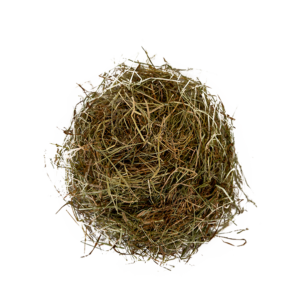
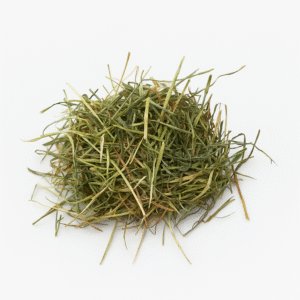
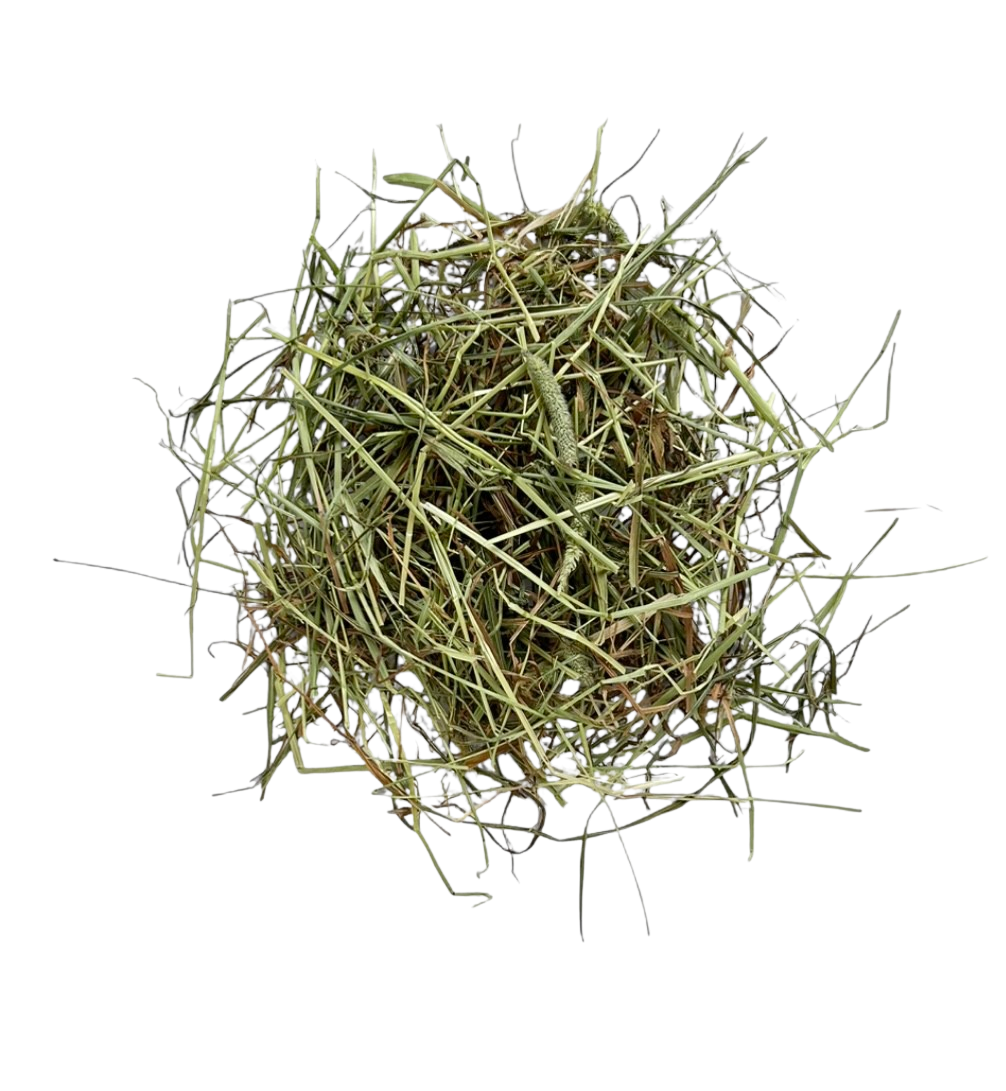
Happy Hay’s Meadow Hay Box and Timothy Hay are excellent examples of true feeding hay for small pets such as rabbits, guinea pigs, chinchillas, degus, hamsters, gerbils, mice, rats and tortoises.
Straw is not feed. It is a by-product of grain production. After wheat, barley, rye or oats are harvested, the grain heads are removed and the hollow stems are baled. These stems have very little nutritional value and are not suitable as food for small pets or most livestock.
These features make straw perfect for bedding, mulching, insulation and garden protection, but not as food.
Straw is excellent at creating warm, cosy nests, particularly in winter.
| Feature | Hay | Straw |
| Purpose | Animal feed | Bedding, mulch, insulation |
| Material | Entire plant (leaves, stems, seed heads) | Hollow stems left after harvesting grain |
| Colour | Green to green-gold | Yellow or golden brown |
| Texture | Soft, flexible, leafy | Coarse, hollow, crunchy |
| Smell | Sweet, grassy | Neutral, earthy |
| Nutrition | High nutrient content | Very low nutrient content |
| Weight | Heavier | Lighter |
These differences make hay and straw not interchangeable. Feeding straw to a rabbit or guinea pig can cause malnutrition, while using hay as bedding becomes costly and impractical.